
摘要
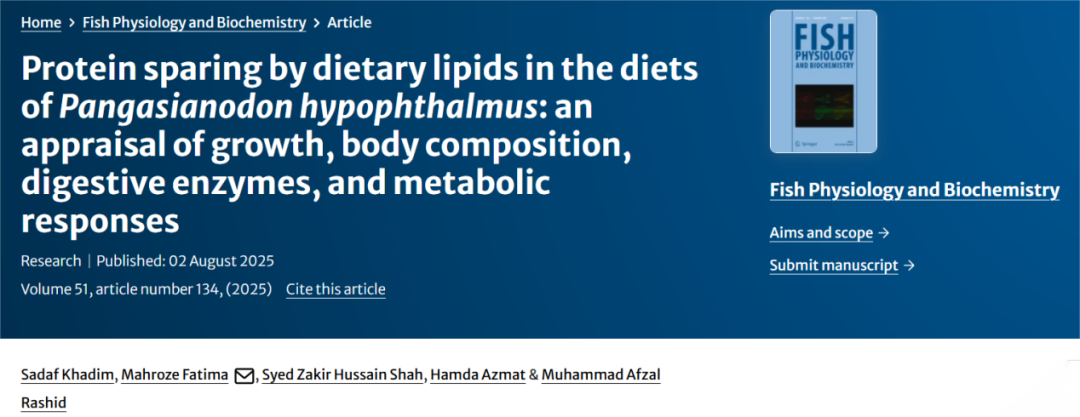
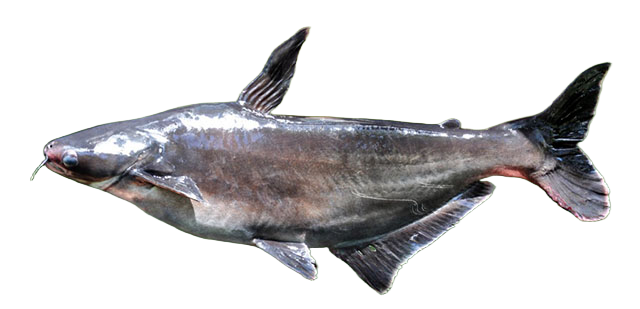
脂类诱导的蛋白质节约效应能够为生长保留蛋白质资源,同时降低饲料成本并减少环境中的氮排泄。在一项为期90天的实验中,评估了脂类对低眼无齿𩷶生长性能、营养成分、氨基酸组成、血液生化指标、消化酶活性及抗氧化状态的蛋白质节约效应。研究人员配制了四种等能(3223.26 kcal/kg)但蛋白质(P)和脂类(L)含量不同的实验饲料:D1(P39/L10,对照组)、D2 (P35/L12)、D3(P31/L15)和D4(P27/L18)。将240尾适应性驯化的鱼苗(初始体重12.75±0.2g)随机分配至四个饲料处理组(每缸20尾,设三个重复),每天饱食投喂两次。结果表明:当饲料蛋白质从39%降至35%,同时脂类从10%增至12%时,鱼体仍能保持最佳生长状态,显示出明显的蛋白质节约效应。然而,当蛋白质进一步降至31-27%(脂类增至15-18%)时,则导致生长性能下降并增加生物学指数。鱼体和肌肉蛋白质含量在39-35%蛋白质水平间保持稳定,但随着蛋白质进一步降低而减少,而体脂含量则相应增加。必需氨基酸(赖氨酸、蛋氨酸、异亮氨酸)、抗氧化状态、肝脏酶活性、血浆代谢物(葡萄糖、胆固醇、甘油三酯)及蛋白酶活性在39-35%蛋白质范围内表现稳定,但超过此范围后均出现下降;而脂肪酶活性和丙二醛含量则呈现相反趋势。肠道形态(绒毛高度与宽度、肌层厚度)在39-35%蛋白质水平下未受影响,但随蛋白质进一步降低而退化。
这些结果明确证实:当低眼无齿𩷶饲料中脂类从10%增至12%且蛋白质从39%降至35%时,脂类能够有效发挥蛋白质节约作用。
Abstract
Lipid-induced protein sparing conserves protein for growth, reducing feed costs and nitrogenous waste in the environment. In a 90-day experiment, the protein-sparing effects of lipids on the growth, nutrient content, amino acid profile, hematobiochemical parameters, digestive enzymes, and antioxidant status of Pangasianodon hypophthalmus were evaluated. Four isoenergetic diets (3223.26 kcal/kg) with varying protein (P) and lipid (L) contents were formulated: D1 (P39/L10, control), D2 (P35/L12), D3 (P31/L15), and D4 (P27/L18). Acclimatized fingerlings (N = 240; initial weight, 12.75 ± 0.2 g) were randomly allocated to four dietary treatment groups (20 fish/aquarium) in triplicate and fed to satiation twice daily. Reducing dietary protein from 39 to 35% with increasing lipids from 10 to 12% maintained optimal growth, indicating a protein-sparing effect. However, further reductions (31-27% protein) in lipids (15-18%) impaired growth and increased biological indices. The body and muscle protein contents remained stable between 39 and 35% protein but declined with increasing reduction, whereas the lipid content increased. Essential amino acids (lysine, methionine, isoleucine), antioxidant status, hepatic enzymes, plasma metabolites (glucose, cholesterol, triglycerides), and protease were stable at 39 to 35% protein but decreased beyond that point, whereas the lipase and malondialdehyde contents showed opposite trends. Intestinal morphology (villus height and width, muscle thickness) was unaffected by39to35% protein but was reduced with further protein reduction. These findings highlight the protein-sparing effect of lipids in P. hypophthalmus when lipids increase from 10to12%and when proteins decrease from 39to35%.
翻译:张璐(黄海水产研究所营养饲料团队)
转载自:胖鲀先生;胖鲀文献速览:8月第一周(英文文献-B篇)
原文:Khadim, Sadaf, et al. "Protein sparing by dietary lipids in the diets of Pangasianodon hypophthalmus: an appraisal of growth, body composition, digestive enzymes, and metabolic responses." Fish Physiology and Biochemistry 51.4 (2025): 134.
备注:转载只为分享,以学习交流为目的,如有侵权,联系删除。


 0536-2096656 0536-2096659
 info@kenonbio.com
 山东省潍坊市滨海新区先进制造业产业园珠江西二街00508号 0532-58558788 info@kenonbio.com 中国·青岛 崂山区深圳路101号华润置地大厦20层
 EN
EN